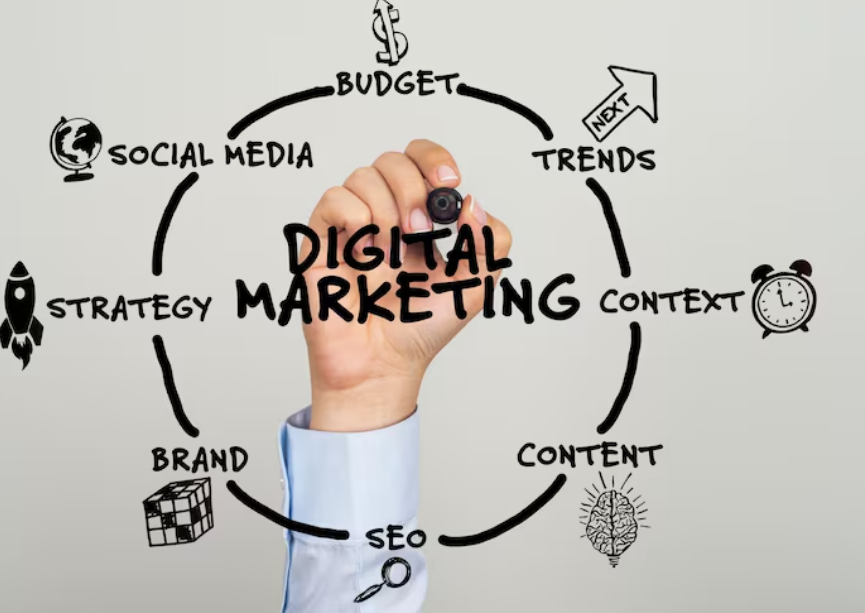
Paid advertising has become an essential part of modern marketing strategies. With the digital landscape growing more competitive each day, businesses are turning to paid advertising to reach their target audience effectively and drive measurable results. Understanding how to leverage paid advertising can make a significant difference in brand visibility, customer engagement, and overall sales performance.
Understanding Paid Advertising
Paid advertising is a marketing approach where businesses pay to promote their products or services on various platforms. Unlike organic marketing efforts, paid advertising guarantees visibility to a specific audience based on targeting options. Common platforms for paid advertising include search engines, social media networks, and display networks. By investing in paid advertising, companies can ensure that their message reaches the right people at the right time, increasing the likelihood of conversions and brand recognition.
Benefits of Paid Advertising
One of the primary advantages of paid advertising is its ability to generate immediate results. Unlike organic methods that may take months to show significant outcomes, paid advertising provides quick exposure. It allows businesses to target specific demographics, interests, and behaviors, ensuring that marketing efforts are highly relevant. Paid advertising also offers measurable analytics, enabling marketers to track performance, optimize campaigns, and allocate budgets more efficiently. This level of control and precision makes paid advertising a valuable tool for businesses of all sizes.
Choosing the Right Paid Advertising Platforms
Selecting the appropriate platform for paid advertising is crucial for campaign success. For businesses looking to drive traffic from search engines, platforms like Google Ads offer powerful tools to target users actively searching for relevant products or services. Social media platforms such as Facebook, Instagram, and LinkedIn provide opportunities to engage audiences with visually appealing content and interactive ads. Display networks and programmatic advertising can expand reach by placing ads across multiple websites, reaching potential customers in various contexts. Evaluating your business goals and audience behavior helps determine which platforms will yield the best results.
Crafting Effective Paid Advertising Campaigns
Creating successful paid advertising campaigns requires a strategic approach. Start by defining clear objectives, whether it is generating leads, increasing sales, or enhancing brand awareness. Next, develop compelling ad creatives that resonate with your audience. The messaging should be concise, engaging, and aligned with your brand voice. Targeting is equally important; segment your audience based on demographics, interests, and behavior to ensure your ads are shown to potential customers most likely to take action. Monitoring campaign performance and making data-driven adjustments ensures continuous improvement and maximizes return on investment.
Optimizing Paid Advertising for Better Performance
Optimization is key to the success of paid advertising campaigns. Regularly analyzing metrics such as click-through rates, conversion rates, and cost per acquisition provides insights into what works and what needs improvement. Testing different ad creatives, headlines, and targeting strategies allows marketers to refine campaigns for better performance. Additionally, retargeting audiences who have previously engaged with your brand can increase conversion rates and reinforce brand recall. Continuous optimization ensures that paid advertising efforts remain effective and cost-efficient over time.
Common Paid Advertising Mistakes to Avoid
Even with its advantages, paid advertising can be challenging if not executed correctly. Common mistakes include targeting too broad an audience, neglecting ad copy quality, and ignoring performance analytics. Overlooking budget allocation and bidding strategies can also reduce campaign efficiency. Avoiding these pitfalls requires careful planning, constant monitoring, and a willingness to adapt strategies based on results. Learning from past campaigns and industry best practices can help businesses achieve more effective paid advertising outcomes.
The Future of Paid Advertising
Paid advertising continues to evolve with advancements in technology and changes in consumer behavior. Innovations such as AI-driven targeting, personalized ads, and automation are shaping the future of paid advertising. Businesses that stay updated with trends and leverage new tools can gain a competitive edge, reaching audiences more efficiently and creatively. As the digital landscape grows more complex, integrating paid advertising with broader marketing strategies will be crucial for long-term success.
Conclusion
Paid advertising is a powerful tool that, when used effectively, can transform a business’s marketing efforts. It offers targeted reach, measurable results, and flexibility to adapt to changing market conditions. By understanding its benefits, choosing the right platforms, crafting strategic campaigns, and continuously optimizing performance, businesses can harness the full potential of paid advertising. Investing in paid advertising is no longer optional; it is an essential component of a comprehensive marketing strategy that drives growth and enhances brand presence in an increasingly competitive market.